Showing posts with label energy. Show all posts

Thursday, May 8, 2014

May Fitness Basics: Metabolism


I think it is important to understand metabolism. Metabolism is the process by which your body converts what you eat and drink into energy. Even when you're at rest, your body needs energy. The amount of energy your body needs to perform basic life functions is called Basal Metabolic Rate. Everyone has a different BMR and it is based on factors like your sex, age, amount of physical activity, etc. e.g. Men naturally burn more than women. However, these basic life functions take up about 70%of your energy needs.

Cheers Eights & Weights!

Wednesday, June 27, 2012

Healthy vs. Unhealthy Carbs


Websites, TV, Commercials, and maybe even your Trainer are constantly telling you to eat healthier, but you do realize that to function and work out effectively, you do need your carbs. However, with the development of the "anti-carb" diets, I think we've all been led to believe that all carbs are bad. Let's debunk that theory a bit.

Why do you need carbs?
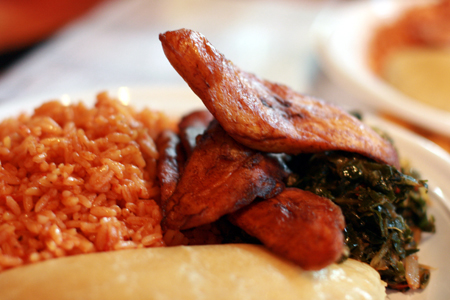
You need your carbs for energy, plain and simple. If you work out, you may think that you only need protein to rebuild muscle tear after strenuous strength exercises. But to get enough strength for your muscles to be able to work hard enough, you need to feed on carbs. Some of the carbs you eat are stored as glycogen - your muscles' only source of energy. So if you find that you get lift less and less weights in the gym, you may not be getting enough carbs.

Additionally, for the cardio portion of your workout, you need to constantly replenish your body's energy source to do more and move more.

Did you also know that if you do not eat enough carbs, your body will look for the energy it needs to survive elsewhere, probably in the protein you eat? This means that rather than being used to repair your muscles, you might find that your protein intake is serving another purpose - supplying your body energy. This could affect your muscle tone.

Are certain carbs better than others?
Definitely! Rather than focus on the "all carbs are bad" theory, focus on what carbs are good. Healthy carbs are less processed carbs that digest slower to keep you fuller longer and keep your blood sugar stable. Unhealthy carbs are highly processed carbs that give you immediate blood sugar and energy spikes, but also digest very quickly and cause you to get hungry quicker. So obviously you should be aiming for more healthy carbs, right?

Examples of healthy carbs that you should be eating?
The less processed, the better for you. Reach for the oats, whole grains, brown rice, and vegetables over the white bread, sugary cereals, and cookies. With food that comes packaged, one rule of thumb is to look for how many ingredients are on the pack. Do you see a bunch of things you can't pronounce? Look for an option with fewer unprocessed whole grain ingredients. It is not always easy, but the key is to find options that are healthy and enjoyable, and it gets easier and easier as you get used to making the right decisions.

Cheers Eights & Weights!

Photo credit: Sheknows.com

Sunday, May 16, 2010

Water - The Source of All Things Good?


Yep. All humans know that water is good for you. Water is one of the greatest creations because it’s everywhere, it’s cheap, and we all need it desperately. So why do we need it, and how much do we need to stay healthy?

Benefits
Water replenishes the body and makes you less tired. Most of us know that. But there are other positive benefits that may not be so obvious. One of them is the fact that drinking adequate amounts of water may help you eat less. The thirst and hunger sensations are usually triggered together, so thirst can be easily mistaken for hunger. If you keep your body well hydrated, it may reduce the frequency of your vending machine visits.

Water also helps to lubricate the joints, and regulate body temperature, thus contributing to a better athletic performance. So if you play sports or exercise a lot, it is essential to stay hydrated to reach your maximum potential. Plus, since water gives you more energy, that can’t hurt your performance either.

As you drink more water, you’ll also notice improvement with your skin. Water keeps the skin moisturized, more elastic, and radiant. Drink tons of water to keep your skin looking younger.

Quantity
How much water should we drink to stay healthy? A rule of thumb is to drink about 8 glasses of water a day. However, I would use this as a suggestion because there are so many other factors that affect the amount of water we should be drinking. Weather is one major factor. Because we lose water when we sweat, individuals usually need more water in the hottest months of the year. On the other hand, our bodies expel water simply by breathing. And when it is really cold, our bodies expel even more water when we breathe. So we also need more water in the coldest months of the year.

Because men tend to sweat more than women, and usually have larger muscles, males usually need more water than females for better physical performance. If you exercise though, you need more water than someone who does not because you sweat much more.

Other sources of water besides water
We also get a lot of the water we need from the food we eat. But because we have begun to rely on TV dinners and other packaged foods, we may need to make an effort to eat foods that keep us hydrated. Fresh fruits are a very good source of water because most fruits are made up of more than fifty percent water. Other liquids like milk, sports drinks, and juices contain a lot of water as well. But please be cognizant of the other contents of the liquids you drink. Sports drinks are good for people who work out because they not only replace the water, they also replace the sodium you lose in your workout sweat. As for juices, they may be hurting you more than helping you if they contain more sugar than fruit. As a side note, alcohol does not help with hydration. It actually dehydrates you. I just thought I'd mention that little fact :)

This week, try to drink more water to increase your energy and your workout performance. Don’t always wait till your really thirsty!

Thanks for your support! Check out my other columns at 360Nobs and Style House!

Cheers.

Sunday, May 2, 2010

For the Runner in You...


When I hear people talk about running like it I the most restful and zen thing in the world, I get confused. I start asking myself all sorts of questions about whether I'm doing it wrong or paying too much attention. You need to concentrate, you’re breathless, and you have to keep moving. How is that zen? Running is hard, especially if you’re trying to get the most out of it. But you deal with it because it makes you feel good after.

I was fishing around for running tips, and I came across a few that I thought were pretty interesting so I thought I’d share. By now, you probably know that I love lists :)

Run on the treadmill sometimes: Running outside or “pavement pounding” as I like to call it, is great because you actually feel more worked out, but the cement is so hard it can actually hurt your ankles if you do it constantly. I suggest taking a break for a couple of days a week, and running on the treadmill or in the middle of the street (if you dare). The tar is better than the cement.
Get running shoes: This is coming from someone who has had to deal with some ankle bruises from exercise. When you run in bad trainers or sneakers, you risk hurting yourself, and you may not be getting the most out of your workout. Comfy running shoes have soles that are made for the surfaces you run on, so they actually help you perform better. They also last longer. Invest in some great shoes, and you’ll notice the difference.
Don't forget to breathe: Watch your breathing when you run because how you breathe can affect your performance and your concentration. Also, don’t hold your breath. It’s funny how many of us actually forget to breathe when we run. You would think that we have lived long enough to figure out that air is good for you by now. But sometimes, we are concentrating so hard on left-right-left-right that we forget the in-out part.
Hydrate: Drink water before and after you run to stay hydrated. It is also recommended to drink water while you run, but not everyone likes to drink water while they workout. For some individuals, drinking water during the workout actually slows down their motion because they feel fuller. So try before, after, and during, and see which works best for you. But whatever way you chose, make sure you stay hydrated.
Posture: Try to stand straight while you run or hinge forward slightly if you’re going up a hill. But posture is important during running because if you always bend too far forward, you could hurt your lower back or damage your normal posture. This is especially true for those who like to hold the rails when running on a treadmill.
Lift your feet off the floor: Raise your feet so your knee is somewhere around a 90 degree angle. This way, you’re working on your bum, your legs, and your thighs.Way to multitask!
Eat: Please don't starve yourself. Starving yourself and exercising don't go hand in hand. You need energy to run like you mean it. Where do we get energy? Duh! Food!

If you have any more questions about running, please leave a comment here or on the Facebook link on the right.

Cheers!

Sunday, March 28, 2010

Understanding the concept of calories

Calories can be difficult to understand because you hear so many different things from different sources. But here is the basic idea: your body needs a certain amount of energy per day to function properly .i.e. to digest food, walk, talk, exercise, etc. The amount of energy your body needs depends on your weight, age, gender, and how active you are. We get calories from food, and through metabolism, these calories are converted into energy. So the amount of energy your body needs is directly proportionate to how many calories you need.

If you consume more calories than your body needs, your body stores the excess as fat. When you work out, you burn the excess calories; which means you are essentially burning off the fat. This is how you maintain your body fat ratio. This is why it’s important to understand that there's no magical way to lose weight. It comes down to two things: exercise and diet.

To lose weight, you have to burn more calories than you take in every day. Visit https://www.caloriecount.com/cc/calories-burned.php for a tool to help estimate how many calories you burn per day based on your age, weight, gender, and level of activity. Note: it’s just an estimate. The amount of time it’ll take you to lose weight just depends on how many calories you eat minus how many calories you burn daily. When this value - i.e. amount you take in minus amount you burn - gets to about 3,500 calories, you have effectively lost about 1 pound or 0.45 kilograms (since 3,500 calories equals about 1 pound of fat).

Different levels of physical activity burn different number of calories depending on intensity. Please visit http://www.mayoclinic.com/health/exercise/SM00109 for a summary of about how many calories are burned with different types of exercises.

If you have more questions, please leave a comment or start a discussion on the Eights and Weights Facebook page here. Also, if there are individual fitness topics you'd like to hear more about, please leave a note on the Facebook page.

Cheers!
My motto for the week: To truly live better, strive to understand what your body needs.
Related Posts Plugin for WordPress, Blogger...